English


Comprehensive Overview
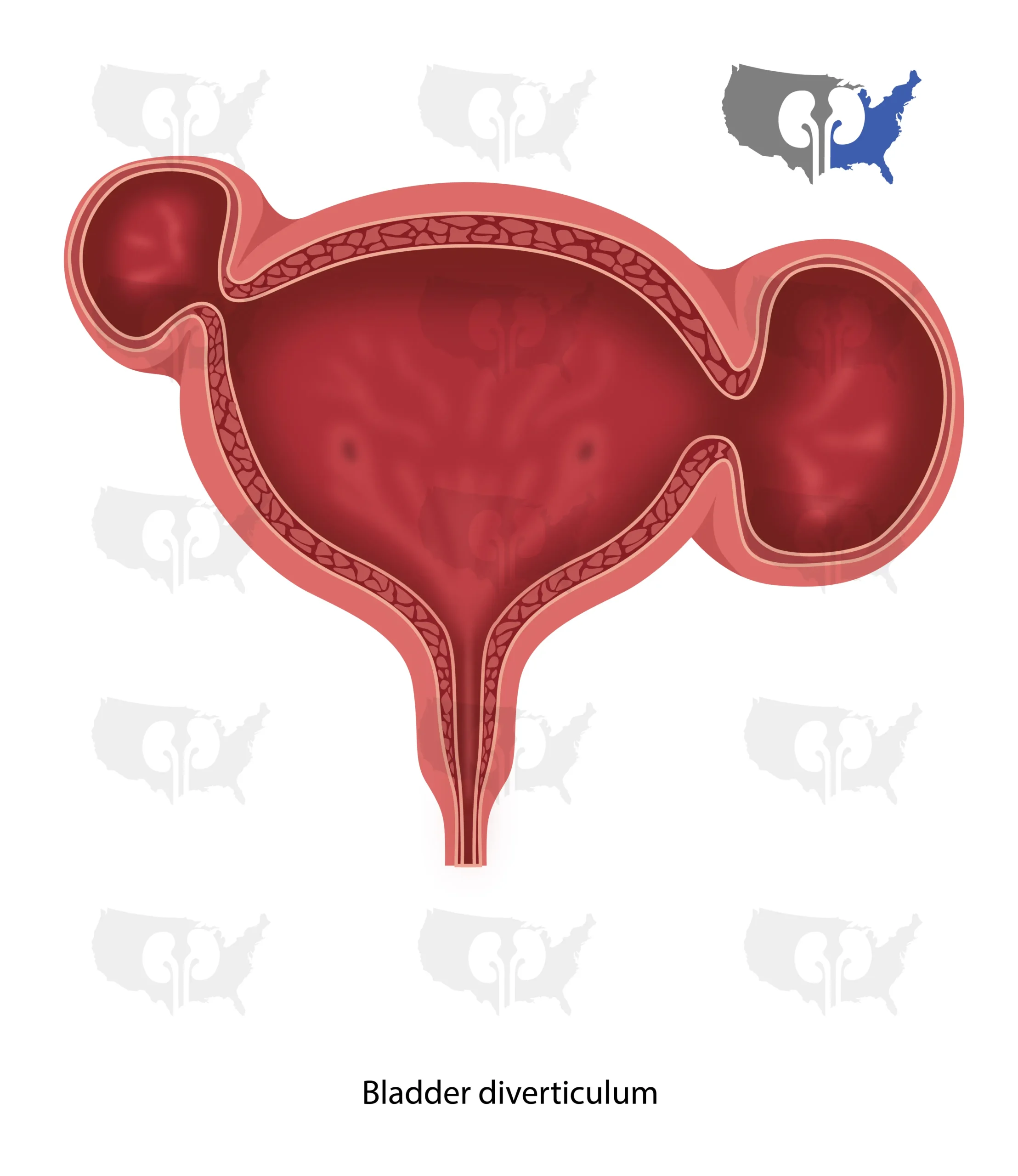
Bladder diverticulum refers to the formation of small pouches, or diverticula, in the wall of the bladder. These pouches can collect urine, leading to incomplete bladder emptying and various urinary symptoms. While bladder diverticula can be congenital (present from birth), they are more commonly acquired due to conditions like chronic bladder outlet obstruction or weakened bladder muscles.
At Crossroads Urology, we offer expert diagnosis and treatment for bladder diverticulum, ensuring optimal management for long-term urinary health.
Symptoms of Bladder Diverticulum
Symptoms associated with bladder diverticulum may include:
- Frequent urination
- Urgent need to urinate
- Difficulty emptying the bladder completely
- Weak urine stream
- Blood in the urine (hematuria)
- Recurrent urinary tract infections (UTIs)
Risk Factors
Several factors may increase the risk of developing bladder diverticulum, including:
- Age: Older men are more likely to develop bladder diverticula, particularly those with conditions like an enlarged prostate.
- Bladder outlet obstruction: Conditions such as benign prostatic hyperplasia (BPH) or urethral stricture can contribute to bladder diverticulum formation.
- Neurological disorders: Conditions that affect bladder control, such as multiple sclerosis or spinal cord injuries, may also contribute to the development of diverticula.
Diagnosis
To diagnose bladder diverticulum, your Crossroads Urology provider will review your medical history, perform a physical examination, and may order tests such as:
- Urinalysis: To check for signs of infection or blood in the urine.
- Imaging studies: Ultrasound, CT scan, or cystoscopy may be used to visualize the bladder and assess the diverticula.
Treatment Options
The appropriate treatment for bladder diverticulum depends on the severity of the condition and the presence of symptoms or complications. Options include:
- Observation: In cases of mild or asymptomatic bladder diverticulum, no immediate treatment may be necessary. Regular monitoring by your Crossroads Urology provider may be recommended.
- Medications: Medications to relax the bladder muscles or reduce bladder outlet obstruction may help alleviate symptoms.
- Catheterization: In some cases, intermittent self-catheterization may be needed to ensure the bladder is fully emptied.
- Surgery: For more severe cases or when complications such as recurrent infections occur, surgical removal of the diverticula (diverticulectomy) or bladder reconstruction may be required.
Managing Bladder Diverticulum with Crossroads Urology
At Crossroads Urology, we are committed to providing the best care for patients with bladder diverticulum. Our team will work with you to assess your condition and recommend the most effective treatment options based on your individual health needs, ensuring optimal management and improved quality of life.