English


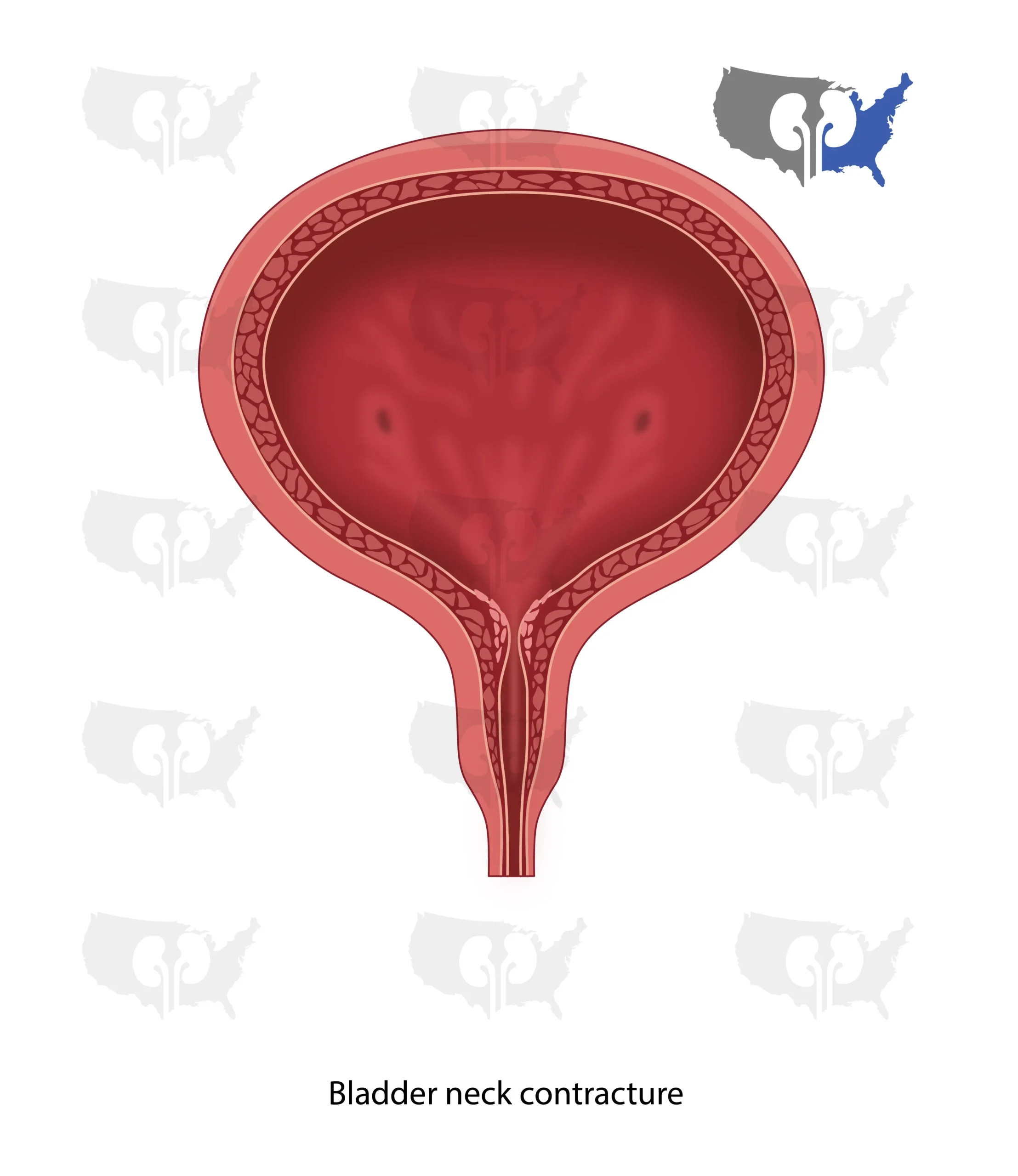
Comprehensive Overview
Bladder neck contracture is a condition where the bladder neck becomes scarred or narrowed, restricting the flow of urine from the bladder to the urethra. This narrowing can result in various urinary symptoms and may lead to complications if left untreated. Bladder neck contracture is commonly associated with previous surgeries, radiation therapy, or inflammation affecting the bladder neck.
At Crossroads Urology, we specialize in diagnosing and treating bladder neck contracture to restore normal urinary function and improve patient quality of life.
Symptoms of Bladder Neck Contracture
- Difficulty starting urination
- Weak or interrupted urine stream
- Frequent urination, particularly at night (nocturia)
- Urgent need to urinate
- Inability to completely empty the bladder
- Recurrent urinary tract infections (UTIs)
Causes of Bladder Neck Contracture
Bladder neck contracture is often the result of scarring or inflammation. Common causes include:
- Previous pelvic surgery: Procedures involving the prostate, bladder, or urethra can sometimes lead to scarring and narrowing of the bladder neck.
- Radiation therapy: Radiation treatment for pelvic cancers, such as prostate or bladder cancer, can cause damage to the bladder neck tissue.
- Chronic inflammation: Conditions like chronic cystitis or urethritis may lead to inflammation and scarring of the bladder neck.
Diagnosis
At Crossroads Urology, diagnosing bladder neck contracture involves a thorough evaluation that may include:
- Medical history review: To identify previous surgeries or treatments that could have contributed to scarring.
- Physical examination
- Cystoscopy: A procedure using a thin, flexible tube with a camera to visualize the bladder neck and urethra.
- Urodynamic testing: To assess bladder function and identify any issues with urine flow.
Treatment Options
Treatment for bladder neck contracture depends on the severity of the narrowing and the impact on urinary function. Options include:
- Dilation: In some cases, the bladder neck can be widened through dilation, a non-surgical procedure where a catheter is inserted to stretch the narrowed area.
- Bladder neck incision: A minimally invasive procedure where small cuts are made to widen the narrowed bladder neck.
- Surgery: In more severe cases, surgical intervention may be required to remove the scar tissue and restore normal urine flow.
- Catheterization: For some patients, intermittent self-catheterization may be recommended to ensure the bladder empties completely.
Personalized Care at Crossroads Urology
If you are experiencing symptoms of bladder neck contracture, it is important to consult with Crossroads Urology. Early diagnosis and appropriate treatment can help prevent complications and restore normal urinary function.