English


Comprehensive Overview
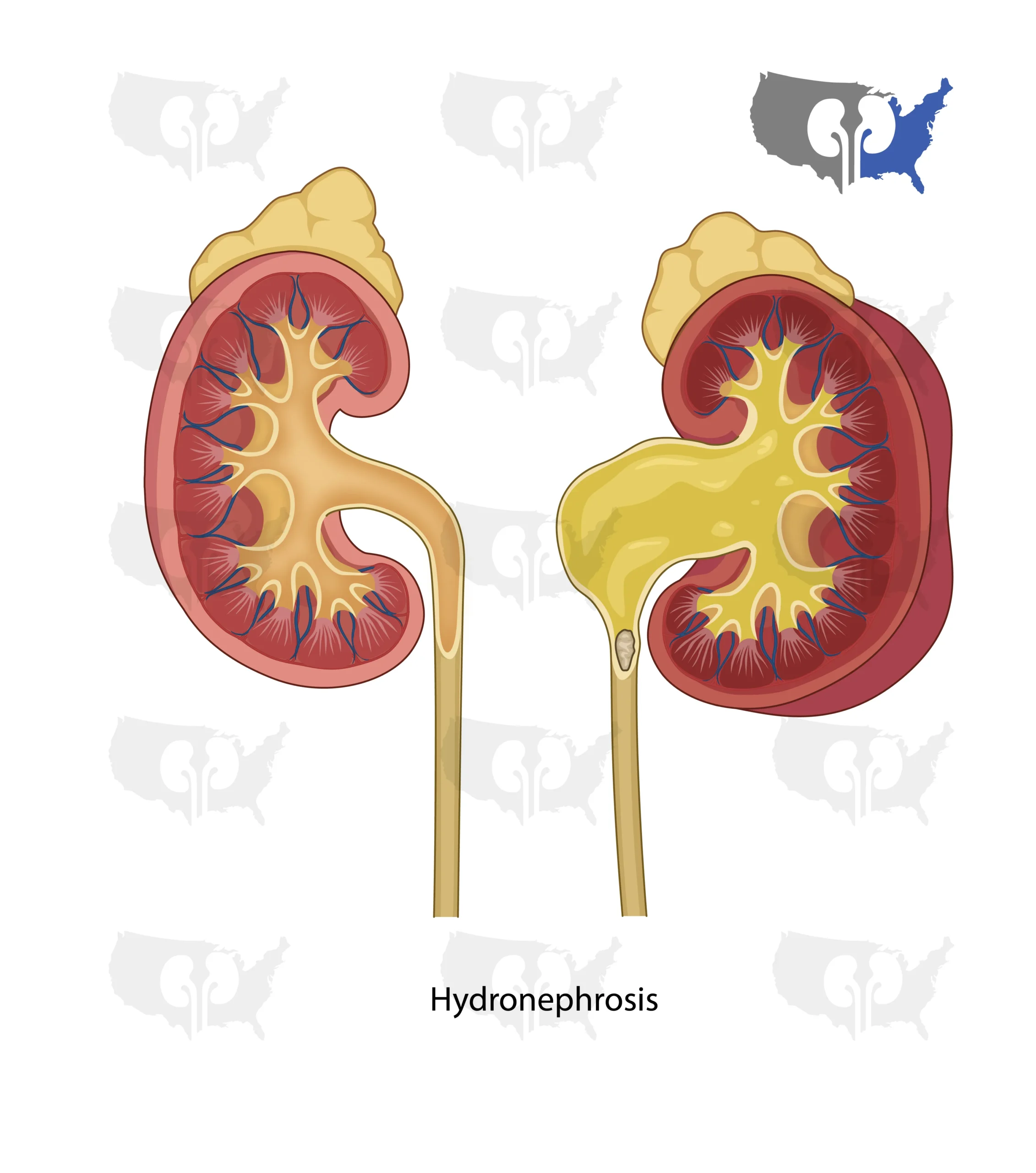
Hydronephrosis is a condition characterized by the swelling of one or both kidneys due to a buildup of urine. This occurs when the flow of urine is obstructed at any point along the urinary tract, causing the urine to back up into the kidneys. Hydronephrosis can affect people of all ages and may be caused by a variety of underlying conditions. If left untreated, it can lead to kidney damage.
At Crossroads Urology, we provide expert diagnosis and treatment for hydronephrosis, helping patients manage the condition and prevent long-term complications.
Symptoms of Hydronephrosis
- Pain in the back, side, or abdomen (flank pain)
- Nausea and vomiting
- Difficulty urinating or decreased urine output
- Frequent or painful urination
- Blood in the urine (hematuria)
- Recurrent urinary tract infections (UTIs)
- Fever and chills (if infection is present)
Causes of Hydronephrosis
Hydronephrosis can occur due to various blockages or abnormalities in the urinary tract. Common causes include:
- Kidney stones: Stones that block the flow of urine through the ureters can lead to hydronephrosis.
- Enlarged prostate (BPH): In men, benign prostatic hyperplasia can obstruct the urethra, leading to urine retention and kidney swelling.
- Urinary tract infections (UTIs): Infections can cause inflammation or scarring in the urinary tract, obstructing urine flow.
- Ureteral stricture: A narrowing of the ureter can block urine flow and cause hydronephrosis.
- Congenital abnormalities: Some people are born with abnormalities in the structure of their urinary tract, which can lead to hydronephrosis.
- Tumors: Cancers of the urinary tract or surrounding organs can compress the ureters, leading to urine backup.
Diagnosis
To diagnose hydronephrosis, your Crossroads Urology provider will review your symptoms and medical history, followed by a physical examination and diagnostic tests such as:
- Imaging studies: Ultrasound, CT scan, or MRI to assess the kidneys and urinary tract for signs of swelling or obstruction.
- Urine and blood tests: To detect signs of infection or assess kidney function.
Treatment Options
The treatment for hydronephrosis depends on the underlying cause and the severity of the condition. Options include:
- Relief of obstruction: Removing the cause of the blockage, such as passing a kidney stone or treating an enlarged prostate, can resolve hydronephrosis. This may involve medication or surgery, depending on the cause.
- Antibiotics: If an infection is present, antibiotics may be prescribed to clear the infection and prevent further complications.
- Drainage procedures: In cases of severe hydronephrosis, a catheter or stent may be inserted to drain the excess urine from the kidney while treating the underlying cause.
- Surgery: For cases caused by structural abnormalities or tumors, surgery may be required to remove the blockage and restore normal urine flow.
Preventing Kidney Damage
If left untreated, hydronephrosis can lead to permanent kidney damage. It is important to seek timely diagnosis and treatment to prevent complications. Regular follow-up care is essential to monitor kidney function and ensure the condition does not recur.
Expert Care at Crossroads Urology
If you are experiencing symptoms of hydronephrosis or have concerns about your kidney health, consult with Crossroads Urology. Our team of specialists will conduct a thorough evaluation and recommend the best course of treatment to ensure your long-term kidney health and well-being.